Family Nursing Care In Hypertensive Patients With Nursing Problems Knowledge Deficit Medication Adherence With Health Promotion Interventions And Cucumber Water Infusion
Keywords:
Complementary Therapies, Cucumber, Family Nursing, Health Education, HypertensionAbstract
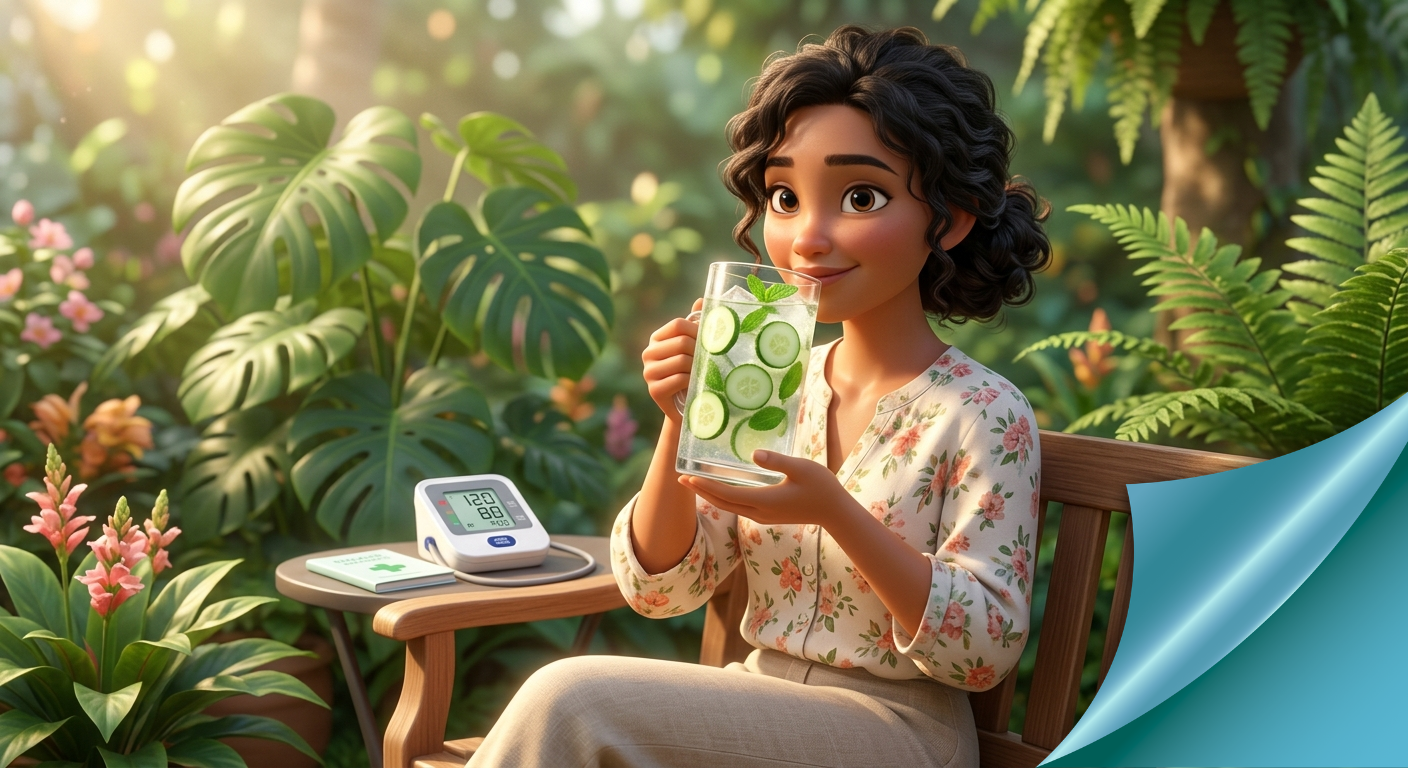
Background: Hypertension is one of the non-communicable diseases with high prevalence in Indonesia and is a major risk factor for serious complications such as stroke and heart disease. A lack of patient and family knowledge regarding hypertension management often leads to uncontrolled blood pressure. Health education interventions and nonpharmacological therapies, such as cucumber infused water , have been used as alternative approaches to lower blood pressure. This study aims to evaluate the effectiveness of health promotion and cucumber-infused water in improving knowledge and treatment adherence among families dealing with hypertension
Case Presentation: Three female patients aged 52–63 years with a history of chronic hypertension in Gempolpading Village showed symptoms of spinning dizziness and neck pain. All three have a high-salt diet, do not routinely carry out health control, and experience a deficit in knowledge about complications and hypertension management. Initial blood pressure was in the range of 153–168/100 mmHg, indicating uncontrolled hypertension.
Nursing Intervention: The intervention was carried out for seven days in the form of daily cucumber infused water and health education to patients and families. Education includes the definition of hypertension, risk of complications, low-salt diet, medication adherence, and the use of health services. Blood pressure monitoring and complaint evaluation are carried out daily. All three patients showed a positive response with a consistent decrease in blood pressure to reach 120–126/75–78 mmHg on day seven
Conclusion: Combining family health education and cucumber-infused water effectively lowers blood pressure and improves patient behavior. This comprehensive approach serves as a valuable model for community nursing practice and future non-pharmacological research.